MRI or CT: what’s the difference, and when does your doctor order each
Published · 4 min read · Radiology and ultrasound
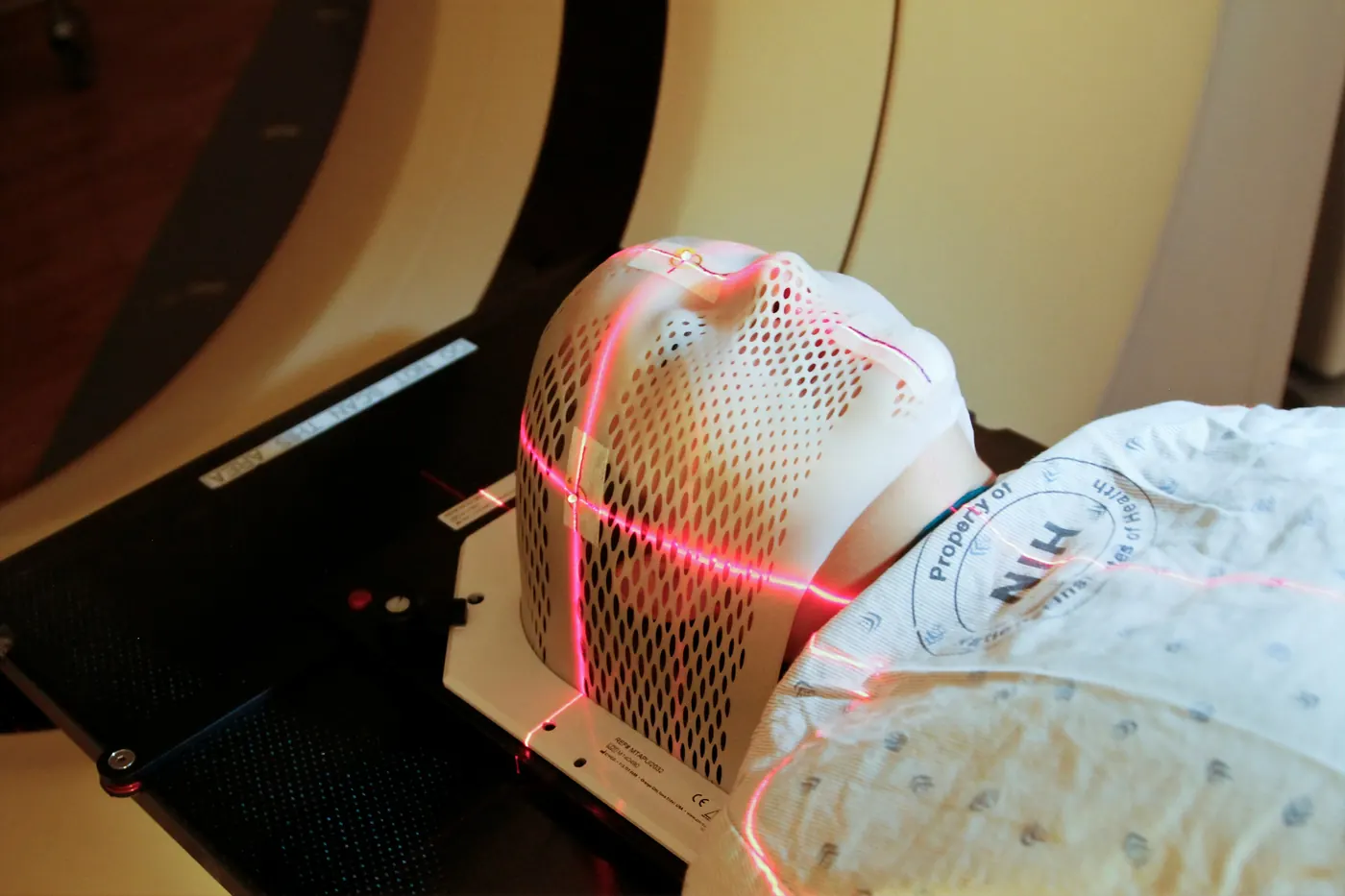
Both scans show the inside of the body in slices, but in different ways. CT uses X-rays and is over in a few minutes. MRI uses a magnetic field and involves no radiation, but it takes 20 to 40 minutes and the machine is noisy.
When CT is the better choice
- Lungs: pneumonia, nodules, the cause of a cough that won’t go away.
- Head injuries and anything where the answer is needed within minutes.
- The exact position of a kidney stone or a fracture.
- Sinuses and sinusitis.
When MRI is the better choice
- The brain: looking for the cause of headaches or dizziness.
- The spine: slipped discs and trapped nerves.
- Knees and shoulders: ligaments, meniscus, cartilage.
- The liver, bile ducts and pelvic organs.
About radiation
One chest CT gives roughly the same dose as two years of natural background radiation. That is not a reason to refuse a scan you need, but we don’t repeat CT without a reason. We avoid CT during pregnancy; MRI is possible after the first three months.
Your doctor chooses the scan based on your symptoms. If you have images from another clinic, bring them: sometimes there is no need to scan again.
This article is for information and does not replace a visit to a doctor.