Used cars · 24 September 2026 · 5-minute read
What the 120-point check covers
Before a certified used car goes on sale it spends a day at our Babek Avenue centre. Kamran Nabiyev walks through the seven parts of the check and the reasons we turn a car away.
Seven parts, 120 points
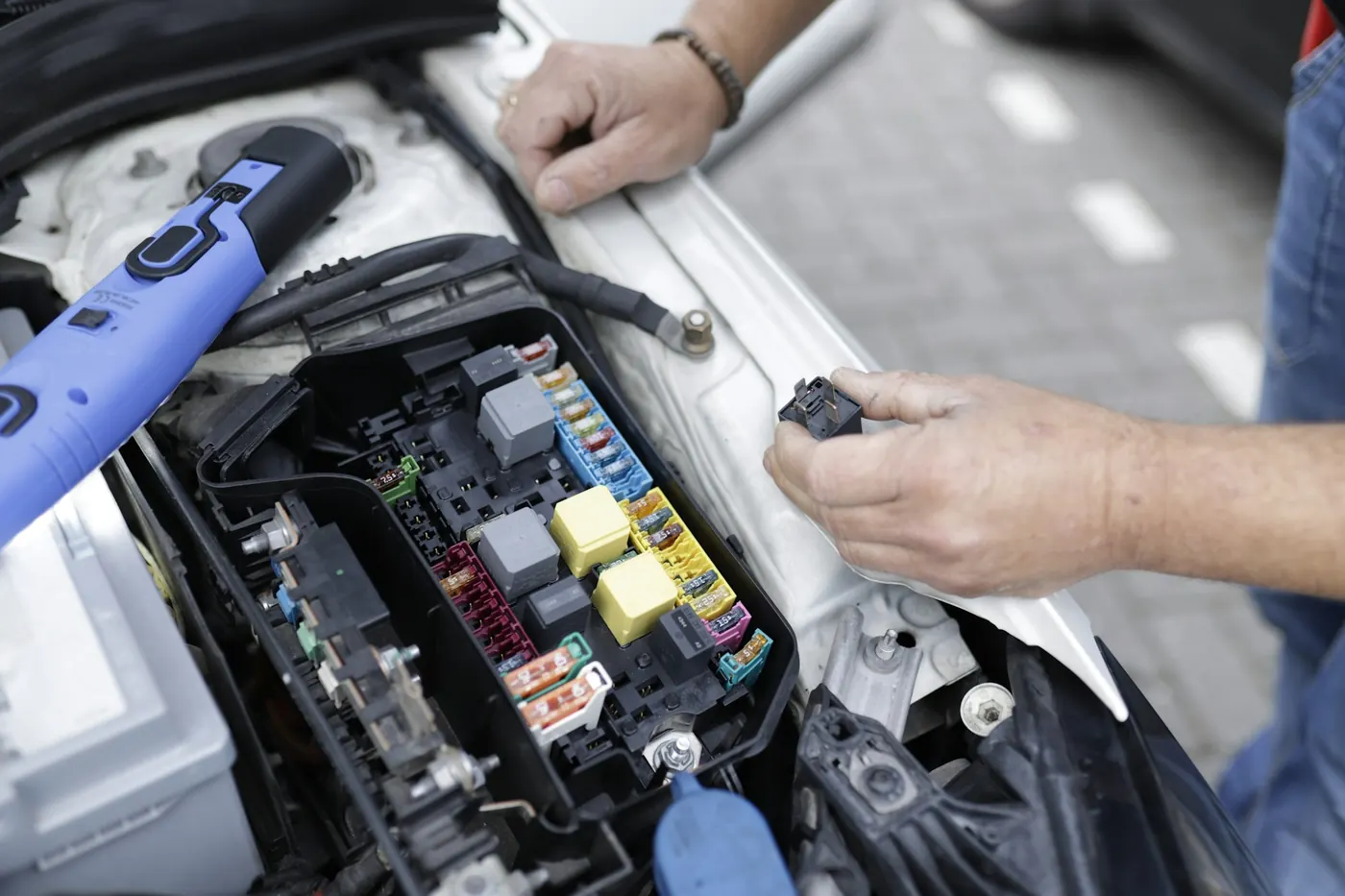
The body holds the most points: 24. We measure paint thickness on every panel; factory paint is usually 90–160 microns, and over 250 means a repainted part. Then come the engine and gearbox (22), suspension, steering and brakes (20), electrics and fault codes (18), interior, climate and airbags (16), and tyres (8).
The last 12 points are a 25 km road test: in city traffic, at 90 km/h on the Baku–Sumgait road and with a full stop on an empty lot. We check that the steering runs straight, how the gearbox shifts and what noises reach the cabin.
Which cars we do not buy
We give no certificate if the body geometry is off, the airbags have gone off, the car has been flooded, or the mileage does not match the service records. Cars older than 8 years or over 150,000 km are not sold as certified either.
To check the mileage we compare the service book, the inspection records and the figures stored in the control units. If several units disagree, the car goes back.
What we replace before sale
Every car gets new engine oil, filters and brake fluid. If the pads are under half or the tyres under 4 mm of tread, we replace them too, and the report says so. Every part appears in the "Replaced" list on the car’s page.
A car that passed the check gets our own warranty for 12 months or 20,000 km. If an unrecorded fault shows within 7 days, we take the car back. Details: the warranty terms for buyers.
Prices come from the stock and hold today.