Choosing · 2 October 2026 · 5-minute read
Hybrid or electric: for everyday driving in Baku
It is the question we hear most at the showroom. The answer depends less on the car than on where it sleeps at night and how often you leave the city.
First: where the car spends the night
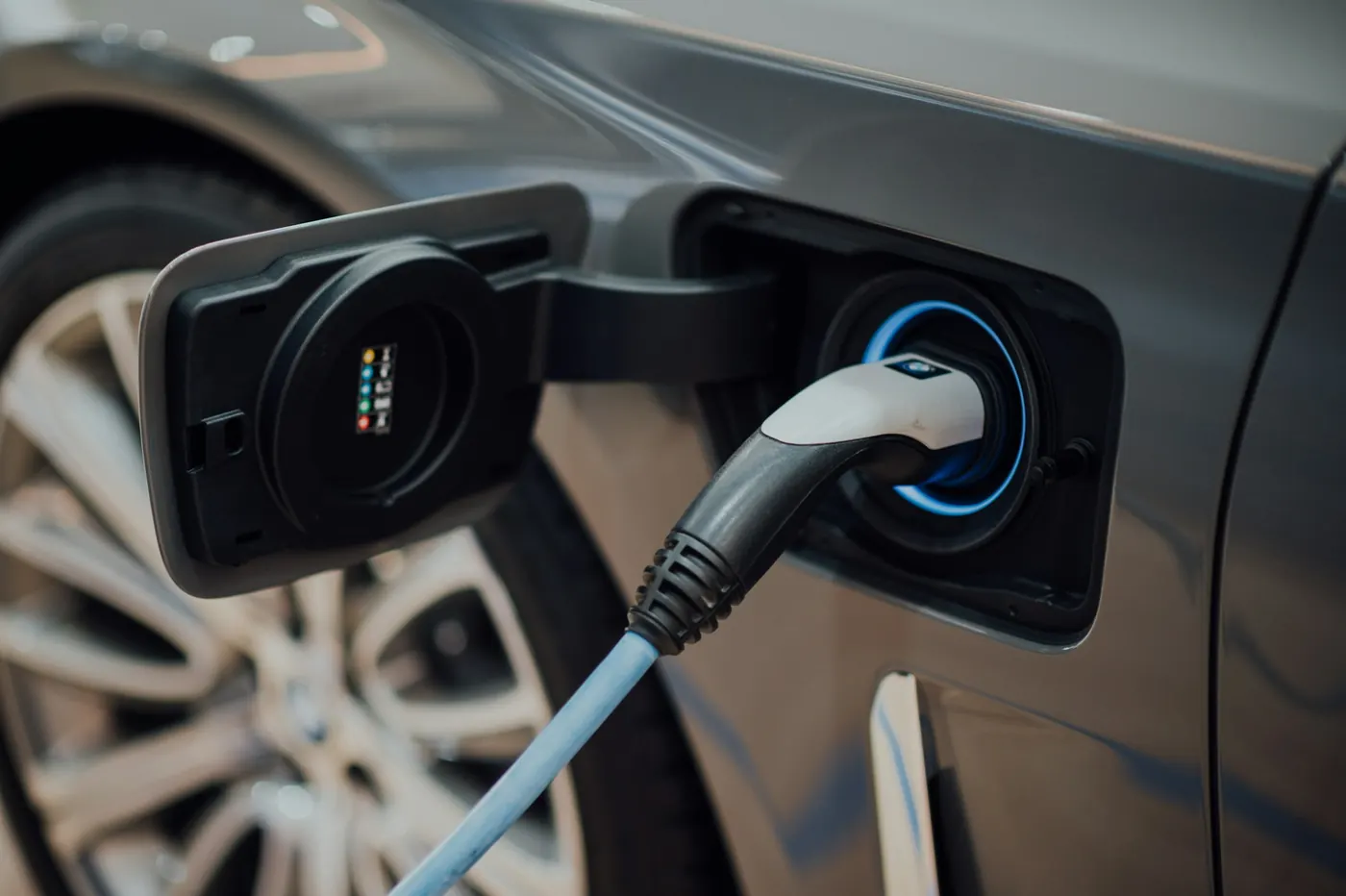
A house or a garage with your own space takes a 7–11 kW wall charger that fills an electric car overnight. Without one, if the car stays on the street outside the building, a full hybrid is the calmer choice: it never needs a socket.
In between sits the plug-in hybrid: the daily 50–80 km on electricity, long trips on petrol. It only saves money when it is charged regularly; a plug-in that is never plugged in drives like a heavy ordinary hybrid.
Hot summers and the intercity road
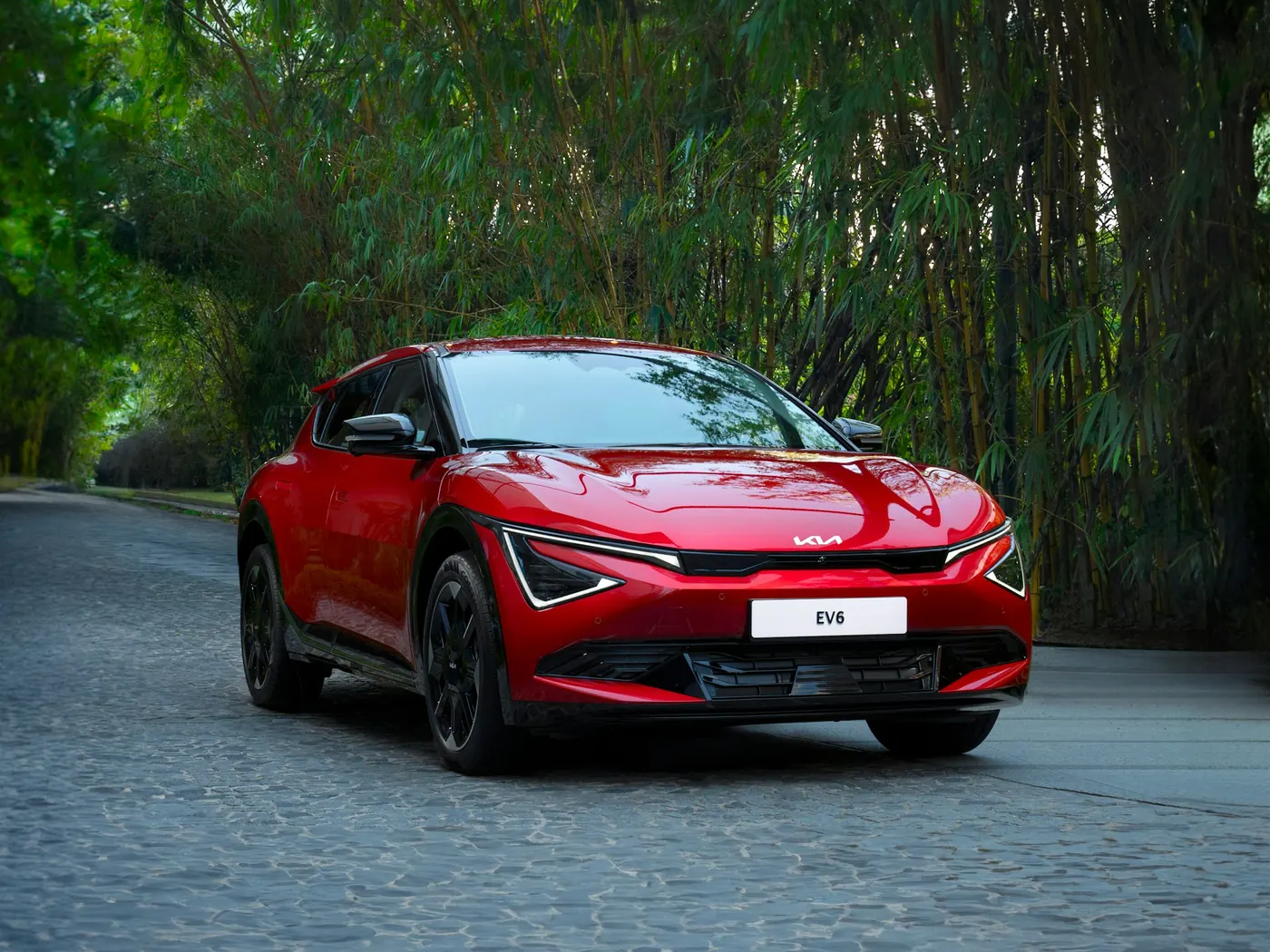
In July the air-conditioning cuts an electric car’s range by 10–15% in town, and more at 110 km/h on the motorway. The Baku–Ganja road is over 360 km: a Kia EV6, rated at 528 km WLTP, makes it on one charge in spring, but in July at 110 km/h plan one charging stop on the way.
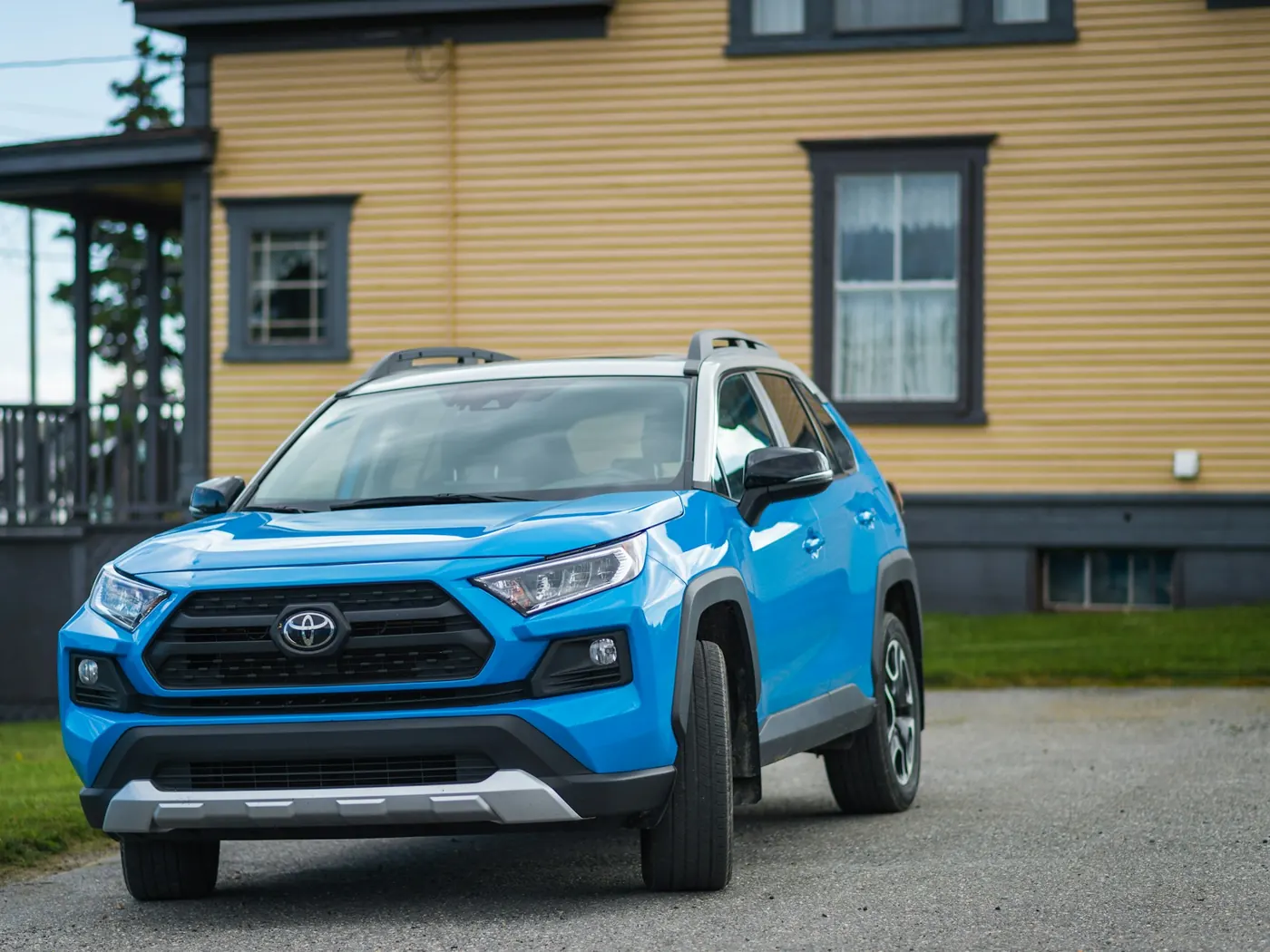
A hybrid saves most in traffic jams: at crawling speed the engine switches off and the car runs on electricity. On the motorway its consumption gets close to a plain petrol engine’s. The Toyota RAV4 Hybrid uses 5.6 litres per 100 km by the maker’s figure and costs ₼79,900.
Servicing and wear
An electric car has no engine oil: the yearly check at our service centre is ₼60, a hybrid’s oil service ₼125. Both do part of their braking with the motor, so the pads wear more slowly than on an ordinary car. Every price is on the service page.
On tax: the VAT exemption on importing and selling electric and hybrid cars ended on 1 January 2026, so their prices now include 18% VAT too. Only locally built cars keep the exemption.
On finance, our partner bank gives electric cars and hybrids its lowest rate: 12% a year. Work out the monthly payment.
Prices come from the stock and hold today.