· 5-minute read
The compulsory motor price in 2026: an insurance history instead of bonus-malus
The Central Bank changed the tariff rules twice in 2025–2026: a new coefficient for taxis and the driver’s insurance history. One example shows how your price is worked out.

Since 1 October 2022 the compulsory motor price has followed the Rules approved by the Central Bank Board’s decision No. 25/1. The tariff is the same at every insurer: a ₼50 base multiplied by coefficients.
What has changed
- The decision of 16 December 2025 (entered in the Register on 19 March 2026): a coefficient of 1.5 for a car used as a taxi; the ceiling for taxis is five times the base, for others three times.
- The decision of 1 April 2026 (entered in the Register on 15 April 2026): an insurance history coefficient instead of bonus-malus classes, and the number of owners instead of the number of permitted drivers: 1.15 for five owners or more.
The insurance history coefficient
A first contract starts at 1. If there has been no at-fault payout since the last change and you have been insured for more than 275 days, it falls by 5% each time. Each at-fault payout raises it by 30%. It never goes below 0.60 or above 3. The Compulsory Insurance Bureau keeps the history, and the insurer sees it when the contract is signed.
An example
A Toyota Prius 1.8 registered in Baku, made in 2020, owner aged 35 with 10 years’ experience. ₼50 × 1.5 (engine) × 1.1 (Baku) × 1 (age and experience) × 1 (history) = ₼82.50. If the same driver has two at-fault payouts, the coefficient is 1.69 and the price rises to ₼139.43. If the car works as a taxi, the 1.5 coefficient is added: ₼123.75.
More articles
All articles
· 4-minute read
Insurance for a Schengen visa: €30,000 and what else is checked
Besides the sum, the consulate checks the area, the dates and the risks. The EU Visa Code’s requirements, and three examples at our prices.
· 4-minute read
The first half hour after an accident: what to do and who pays
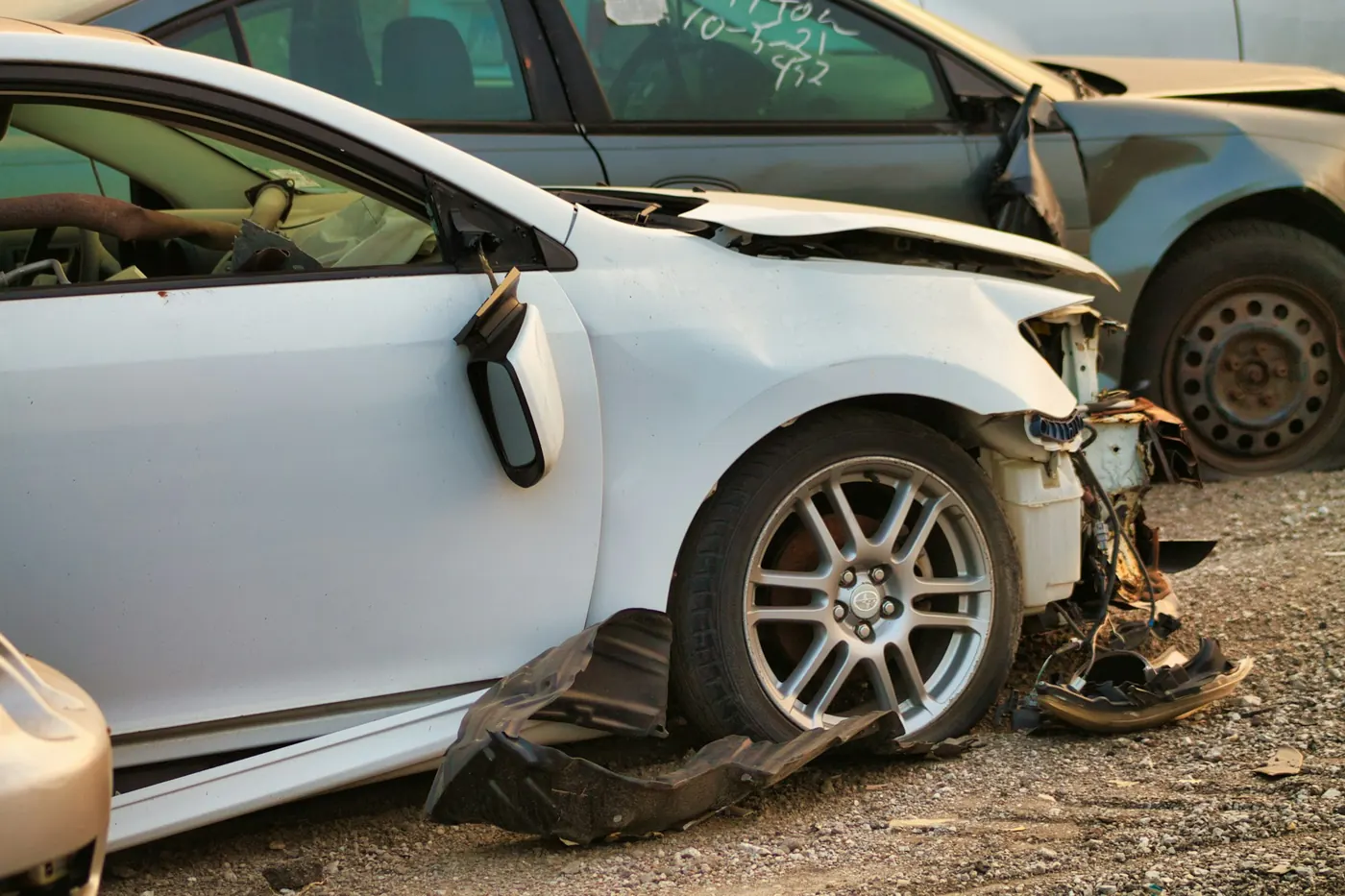
The road police, photos, the claims line: the order of things at the scene, and which policy pays for what.
· 4-minute read
Water through the neighbours’ ceiling: who pays for the repair
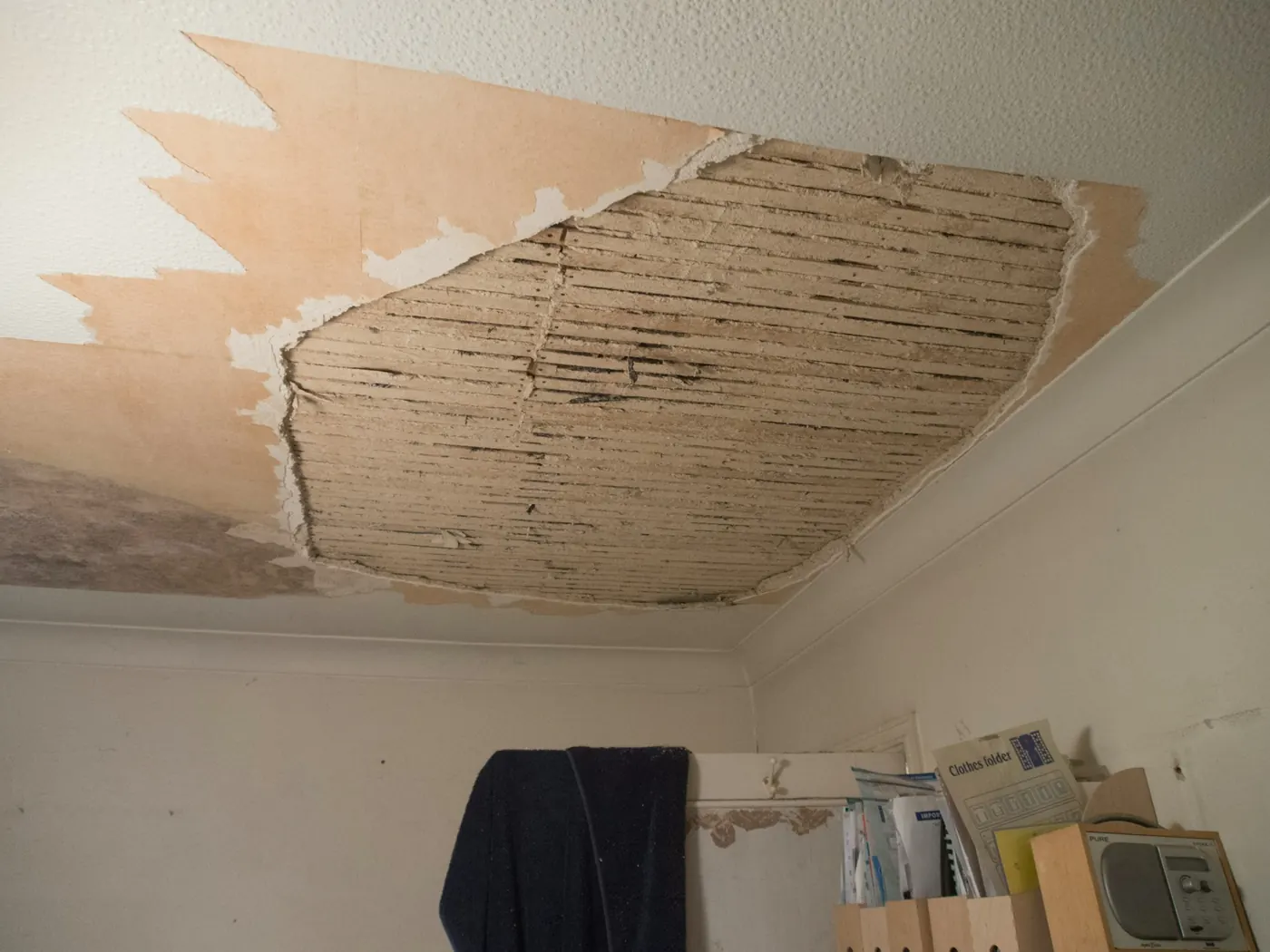
If the pipe burst in your flat, the neighbours’ repair is on you. Compulsory property insurance does not pay for it; a voluntary home policy does.