· 5-minute read
A harvest-linked schedule: who it suits and who it does not
A farmer’s income comes once or twice a year. The loan itself can be repaid in those months too, but that has its own cost.
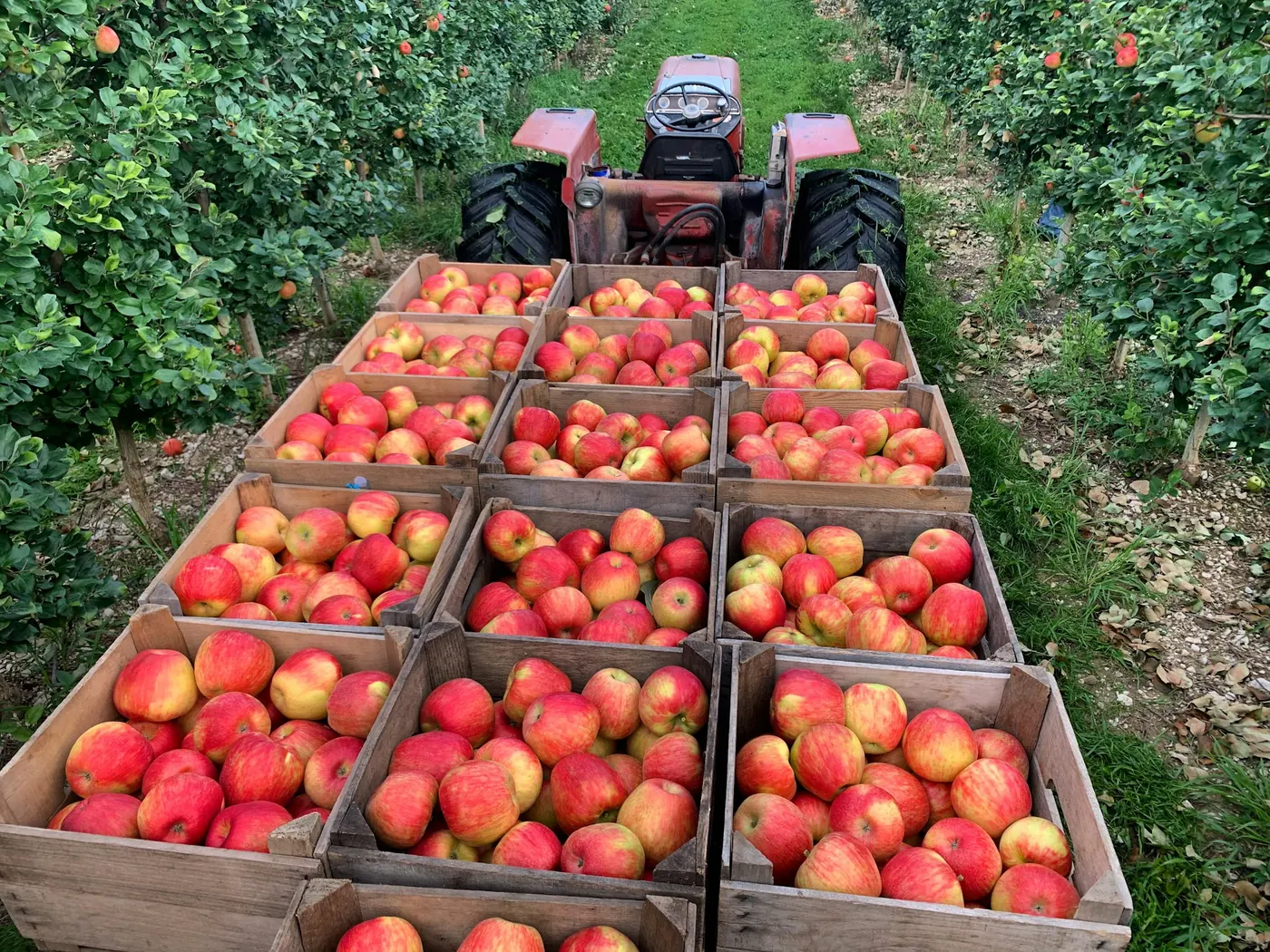
With a farm loan you pay only interest each month and repay the loan itself in equal parts in the months you sell. A greenhouse tomato grower might pick May and November; a beekeeper August and September.
In numbers
₼10,000 over 12 months from 15 July, 21% a year, a 1% fee. With equal payments you pay ₼931.14 a month and ₼1,173.63 in interest overall. On a schedule tied to May and November you pay ₼175 of interest in the autumn months and ₼116.67 in winter, then ₼3,508.33 in November and ₼3,450 in May. Interest comes to ₼1,516.68.
So the harvest schedule costs ₼343 more, because more of the loan stays with you for longer. In return you pay ₼117–175 instead of ₼931 in the months with no harvest.
Who it suits
- Farmers whose income falls in one or two months: vegetables, fruit, hazelnuts, honey, grain.
- Farmers with a sales contract or receipts from past seasons.
Who it does not suit
- Farmers who sell milk, eggs or meat every month: equal payments are cheaper.
- Farmers who sell little by little all year round.
If drought, hail or disease destroys the crop, tell the branch before the payment date: a loan officer sees the damage on site, we stretch the schedule by up to 6 months and charge no penalty for that time.
More articles
All articles
· 4-minute read
From 1 October you can block remote loans in your name
The Central Bank’s new rule covers consumer loans arranged by phone or online: how to set a block, how to lift it and when the money is paid out.
· 5-minute read
What the effective rate is and how to compare two loan offers
A lower rate does not always mean a cheaper loan. The effective annual rate, which counts the fee too, shows the difference in one number.
· 4-minute read
Check your credit history free twice a year
When a lender looks at your application, the first thing it checks is the credit bureau. You can see what is written there yourself, beforehand.