· Roads and borders · 3 min read
Winter season: what changes at the borders and on mountain roads
Our trucks go onto winter tyres on 15 November. From December to February allow 1–2 days more for cargo from Turkey and Europe.
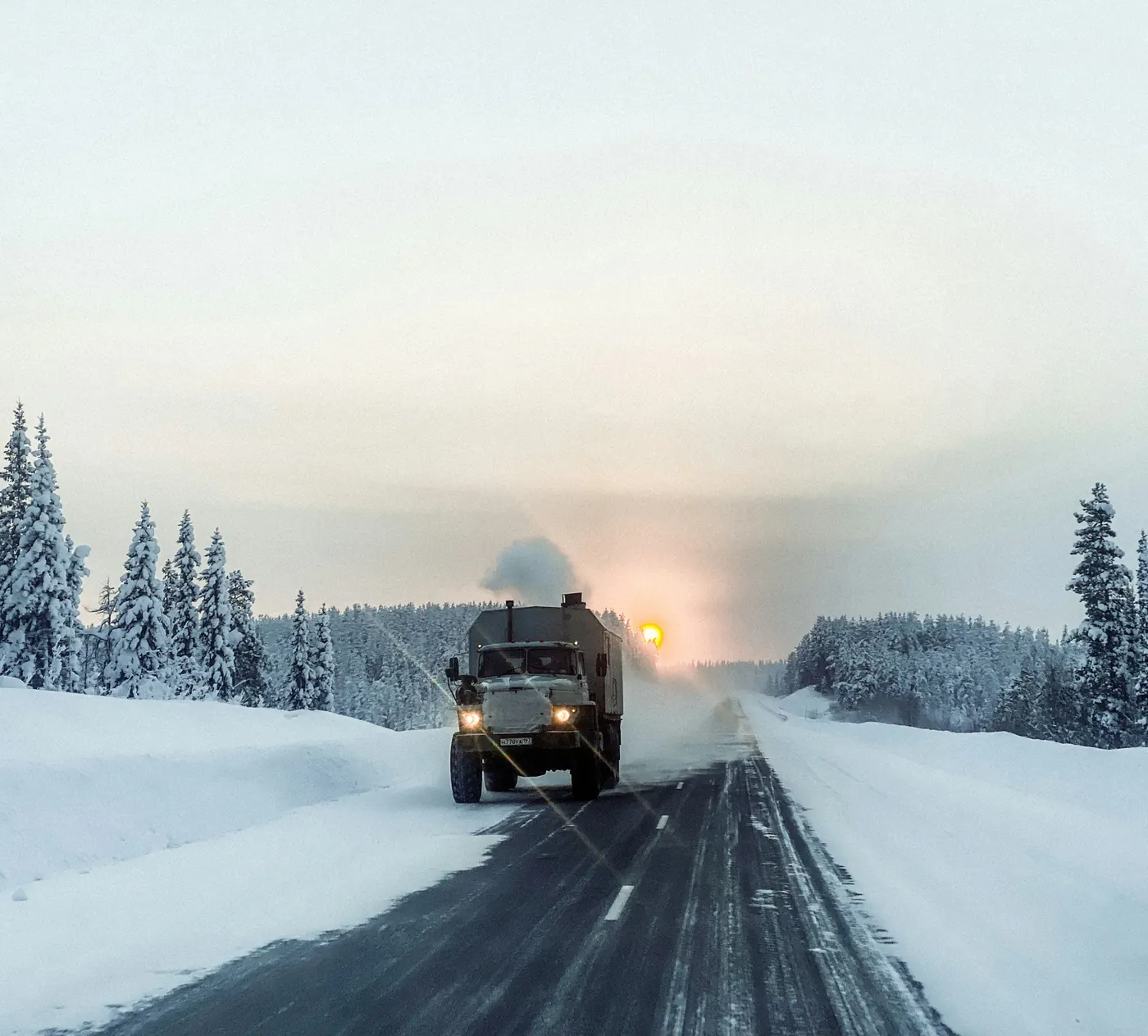
From 15 November to 15 March all our tractor units run on winter tyres and carry chains and 48 hours of provisions in the cab. Winter does not lengthen the road itself; it lengthens the waiting at borders and passes. Here is what we expect this year, going by last winter’s figures.
Where the delays come from
- The Sarp crossing between Turkey and Georgia: last January our trucks waited 14 hours on average, against 5 hours in October.
- The Rikoti pass in Georgia: in heavy snow it is closed to trucks for 6–24 hours.
- Red Bridge: between 20 and 31 December the queue of New Year cargo is the longest of the year.
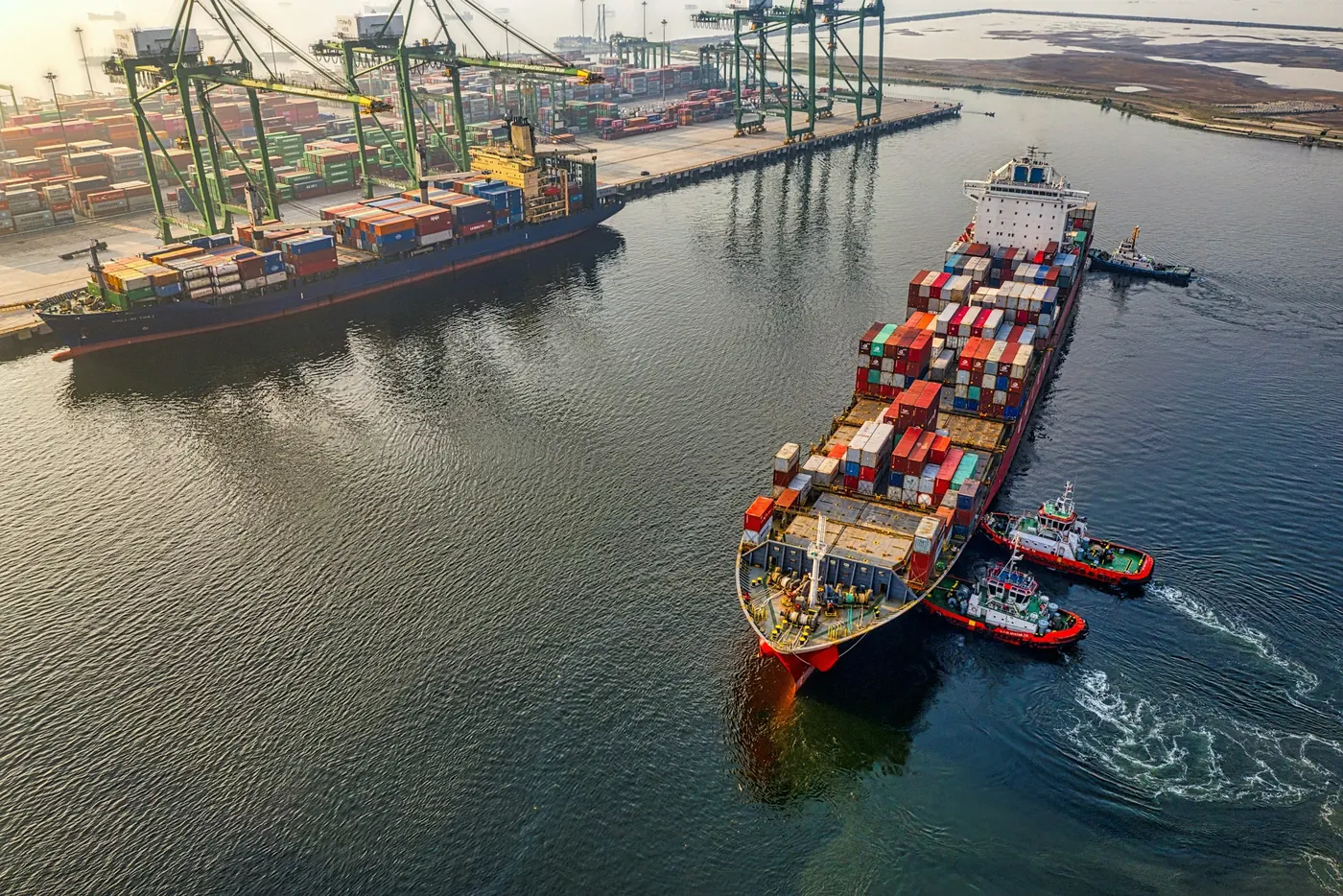
- The Caspian ferries: they stay in port in a storm, and trucks and wagons wait at Aktau for up to 5 days.
What we change
- From December to February we add 1–2 days to the transit time in quotes for cargo from Turkey and Europe.
- Goods that must not freeze (drinks, paint, cosmetics, household chemicals) go in a reefer set to +5 °C; the difference is shown separately in the quote.
- Runs to Europe keep their two drivers, as always: the truck does not stop for rest, and part of the time lost in queues is made up on the road.
What you can do
Order goods you need by 20 December a week earlier than usual. Once the cargo is on its way, each border crossing is logged on the tracking page; if the truck is held at a pass, the dispatcher notes it there.